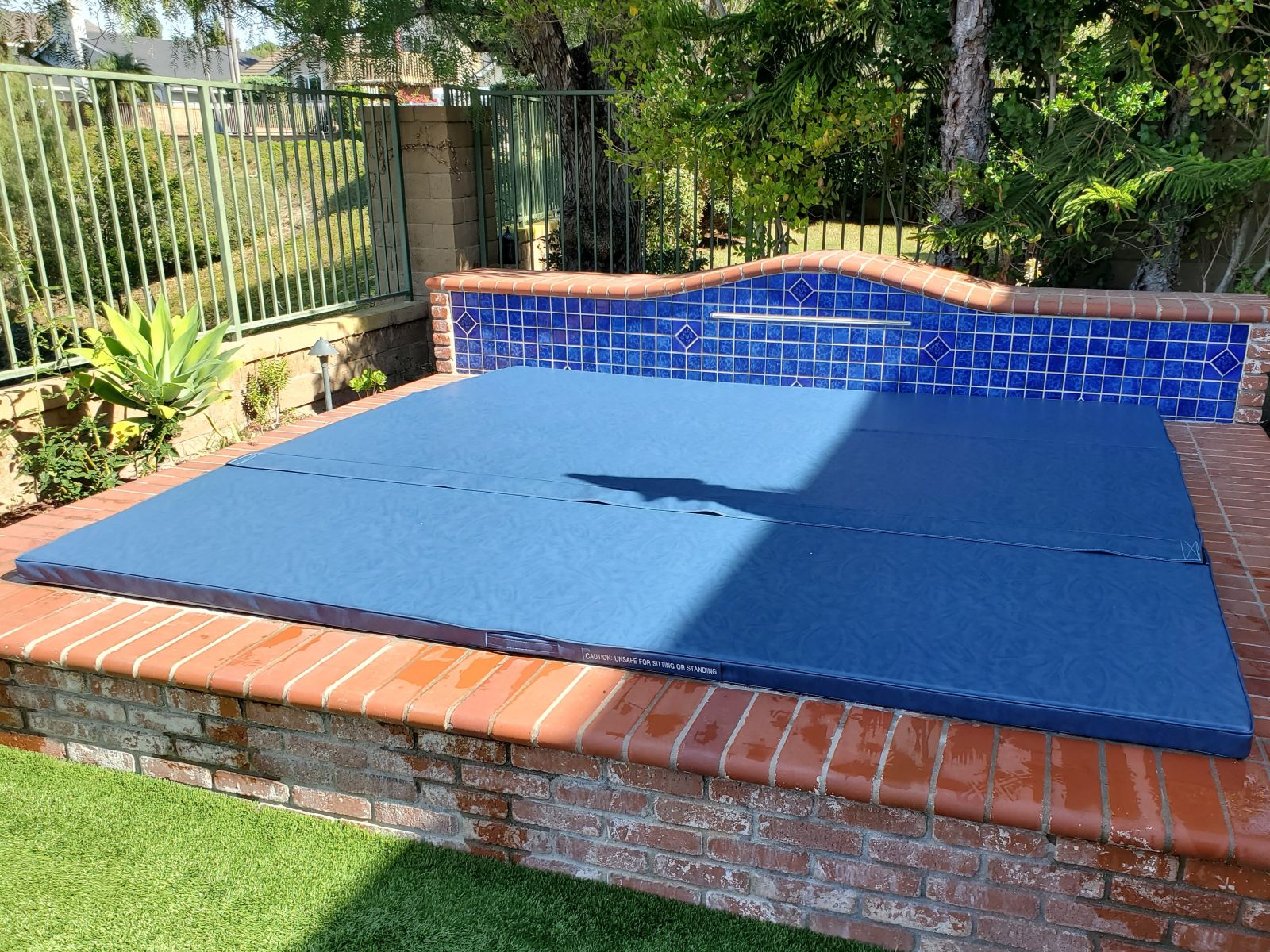
Categories Heavy-Duty Spa Covers

Why Upgrade to a Heavy-Duty Hot Tub Cover This Year?

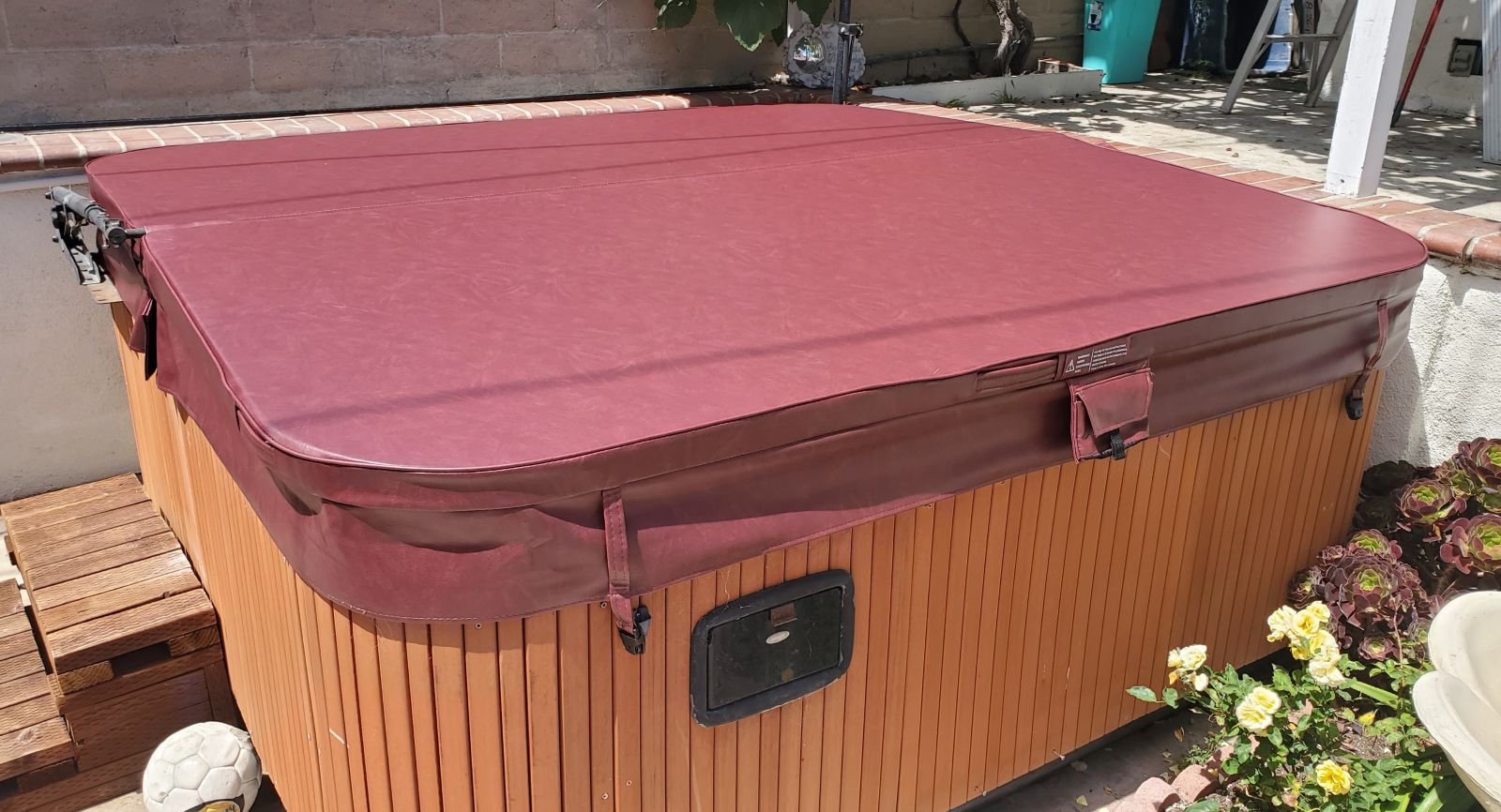
A hot tub is an investment. Protecting it properly saves money, reduces energy use, and extends the life of your spa. One of the most effective upgrades you can make is choosing a heavy-duty hot tub cover.

A heavy-duty cover is not about spa size. It is about insulation strength, structural support, and long-term durability. Whether your spa is portable, in-ground, or oversized, the heavy-duty option improves performance.


What Makes a Cover “Heavy-Duty”?

A heavy-duty hot tub cover typically includes:

  • Higher-density foam cores

  • Reinforced hinge seals

  • Thicker vapor barriers

  • Strong marine-grade vinyl

  • Reinforced stitching

These upgrades improve insulation, reduce sagging, and extend the life of the cover.


Better Insulation = Lower Energy Bills

Heat naturally rises. Without strong insulation, heat escapes through the top of the spa. When that happens, the heater must run more often to maintain temperature.

A heavy-duty cover traps heat more effectively. The higher-density foam slows heat transfer, which means:

  • Less heater run time

  • Lower electricity bills

  • More stable water temperature

Over time, improved insulation can significantly reduce operating costs.


Stronger Construction, Longer Lifespan

Standard-density covers can sag, absorb moisture, and lose insulating value. Once the foam becomes waterlogged, performance drops quickly.

Heavy-duty covers are built to resist:

  • Moisture intrusion

  • UV damage

  • Vinyl cracking

  • Hinge stress

This results in a longer-lasting cover that maintains its shape and insulation for years.


Cleaner Water, Less Maintenance

A snug, properly constructed cover helps keep out:

  • Leaves

  • Dirt

  • Insects

  • Rainwater

Cleaner water reduces chemical use and filter strain. It also means fewer drain-and-refill cycles.


Safety and Structural Support

A properly reinforced cover provides added structural strength. While covers are not meant to be walked on, stronger internal support helps resist accidental pressure and daily use.

For families with children or pets, heavy-duty construction adds peace of mind.


Available for All Spa Types

The heavy-duty option is available for:

It is an insulation and durability upgrade — not a size classification.


Is It Worth the Upgrade?

If your spa runs year-round, sits in direct sun, or you want maximum energy efficiency, upgrading to a heavy-duty hot tub cover is a smart decision.

The upfront investment often pays for itself through:

  • Energy savings

  • Reduced maintenance

  • Longer cover lifespan

  • Better protection for your spa


Final Thoughts

Upgrading to a heavy-duty hot tub cover improves insulation, durability, and long-term performance. It protects your investment and keeps your spa ready whenever you want to relax.

To learn more about heavy-duty options for your spa, contact Spa Covers Etc. for guidance and custom sizing.

Categories Oversized Spa Covers

How to Choose the Right Oversized Spa Cover

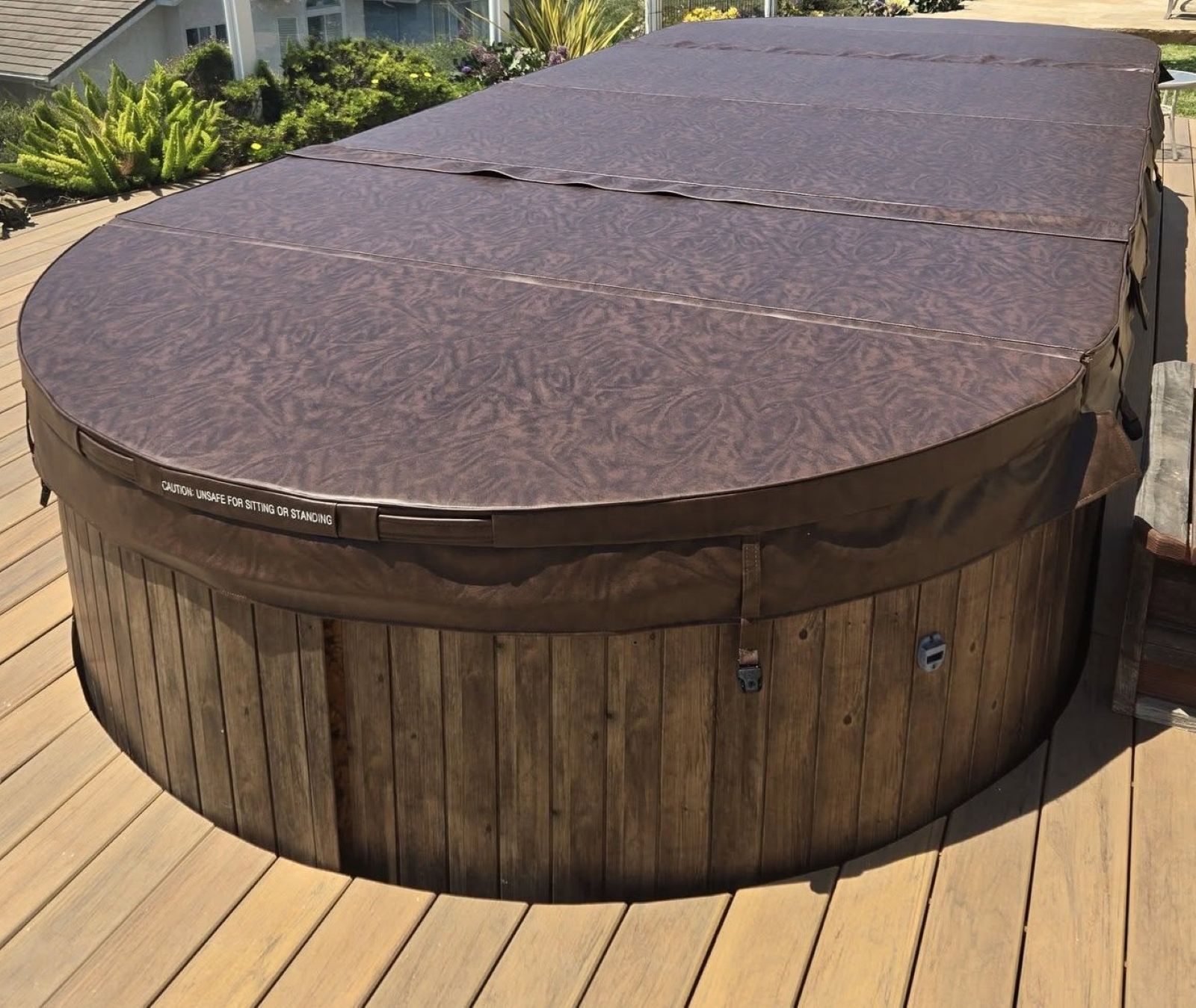
Choosing the right oversized spa cover requires more than simply measuring your spa. Covers over 96 inches or designed for swim spas require a different construction method to provide proper support, insulation, and durability. Understanding how oversized covers are built will help you make the right decision.


1. Confirm the Size

Oversized spa covers are required when your spa measures more than 96 inches in any direction or has an extended or unusual shape. These covers cannot use standard two-panel construction because the wider span requires additional structural support.

Accurate measurements are critical. For oversized covers, orders are handled by phone to ensure proper specifications and reinforcement.


2. Understand the Construction

Oversized spa covers use a three-panel design:

  • Two 4″ x 2″ tapered foam panels

  • One 4″ flat center section

The flat center section provides added structural support across the wider opening and helps prevent sagging.

Oversized covers use 2 lb. density foam. Super foam upgrades are not available due to structural requirements.


3. Know the Safety Differences

Covers over 96 inches do not meet ASTM child-safety certification standards because of size limitations.

However:

  • Lockable child-safety tie-downs are available

  • Tie-downs provide similar securing functionality

  • They are not officially ASTM certified due to dimensions

If you live in a high-wind area, standard tie-downs are not sufficient. Custom high-wind straps are available and must be ordered by phone.


4. Consider How the Spa Is Installed

Many oversized covers are used on built-in plaster spas set at deck level. Because these spas are flush with the surrounding surface, covers may occasionally experience pressure from accidental stepping (although walking on covers is not recommended).

The reinforced center construction provides better durability for these situations.


5. Focus on Long-Term Protection

A properly constructed oversized spa cover:

  • Reduces heat loss

  • Improves insulation stability

  • Protects internal equipment

  • Helps maintain water quality

  • Extends spa lifespan

Choosing the correct construction ensures your spa stays protected year-round.


Final Thoughts

Oversized spa covers are not simply larger versions of standard covers. They require reinforced construction, specific foam density, and proper securing options.

To ensure correct measurements, construction, and safety considerations, oversized spa covers and high-wind straps must be ordered by phone.

If your spa exceeds 96 inches or requires a custom configuration, contact Spa Covers Etc. for guidance and ordering assistance.

Categories Swim Spa Covers

5 Signs It’s Time to Replace Your Swim Spa Cover

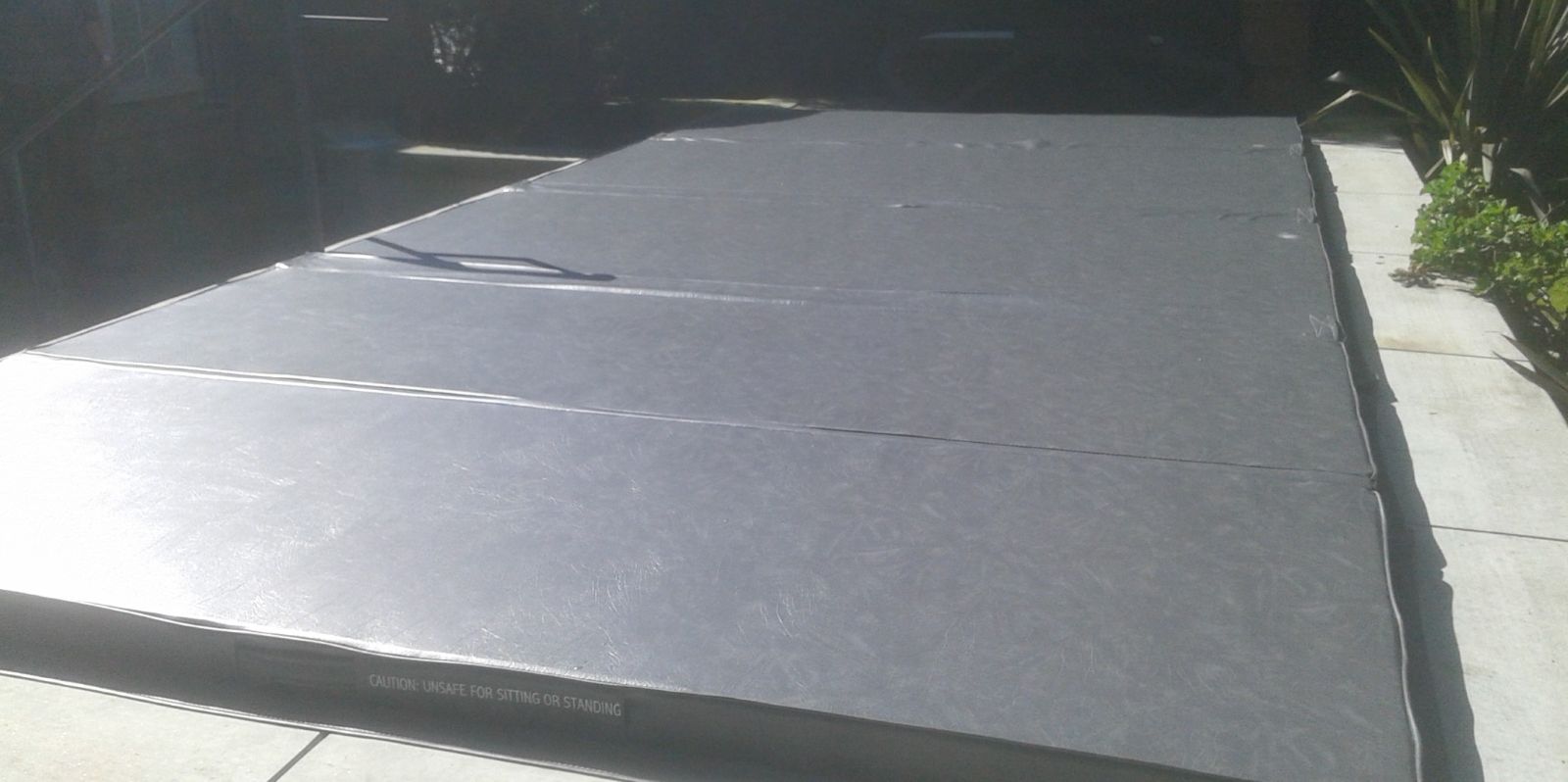
Most swim spa owners don’t realize their cover is failing until energy bills rise or the water won’t stay warm. Even high-quality covers wear out over time. When insulation breaks down or moisture gets inside, your spa loses heat, costs more to run, and requires more maintenance.

Because swim spas are larger than standard hot tubs, a failing cover can waste even more energy. Knowing the warning signs early can save you money and protect your investment.


1. The Cover Feels Heavy or Waterlogged

If your cover feels much heavier than when you bought it, the foam inside may be saturated. Once the outer vinyl cracks or tears, water gets in and stays trapped.

Waterlogged foam cannot insulate properly. Heat escapes faster, your heater runs longer, and energy bills increase. A heavy cover is also harder to lift and more likely to sag.

If lifting your cover feels noticeably harder than before, it’s time to consider a swim spa cover replacement.


2. Cracks, Tears, or Fading Are Visible

Sun exposure, temperature changes, and daily use slowly break down vinyl. Small cracks may seem harmless, but they allow moisture to reach the foam core.

When that happens, insulation performance drops quickly. Fading, peeling, or brittle vinyl are clear signs the protective barrier is failing.

Replacing a damaged cover early prevents bigger energy and maintenance issues.


3. The Cover No Longer Fits Tightly

A proper swim spa cover should sit flat and seal tightly around the edges. If it looks uneven, sagging, or leaves gaps, heat is escaping.

Even small gaps can significantly increase energy usage. Poor fit also allows debris and dirt into the water, increasing cleaning and chemical costs.

Custom-fit replacement covers restore proper insulation and protection.


4. Your Spa Loses Heat Faster Than Before

If your swim spa cools down quicker than it used to, the insulation inside your cover may be compressed or degraded.

Flattened foam loses thickness and insulating value. When insulation fails, the heater cycles more often, increasing operating costs.

A new insulated swim spa cover helps maintain consistent water temperature and reduces strain on your equipment.


5. Musty Smell or Mold Inside the Cover

A musty odor often means moisture is trapped inside the foam core. Once mold or mildew forms inside the cover, cleaning the surface won’t fix the problem.

At that point, replacement is usually the only solution.

Moisture-resistant materials in newer covers help prevent this issue and keep insulation performing properly.


How Long Does a Swim Spa Cover Last?

Most swim spa covers last between four and six years, depending on sun exposure, weather, and maintenance. Larger swim spa covers may experience more stress due to their wider span, making proper construction even more important.


When Replacement Makes Financial Sense

An old cover doesn’t just look worn — it costs money.

Heat loss
Higher electricity bills
Increased chemical use
More equipment strain

A properly insulated replacement cover often pays for itself through improved energy efficiency and reduced maintenance.


Final Thoughts

Your swim spa is a major investment. A failing cover quietly increases operating costs and reduces performance.

If your cover feels heavy, looks damaged, doesn’t fit properly, or struggles to hold heat, it may be time for a replacement.

Choosing a properly constructed swim spa cover helps protect your spa, reduce energy use, and extend the life of your equipment.

Categories Hot Tub Covers

How a Hot Tub Cover Saves Energy in Dry Climates

Hot tubs in dry, sunny climates face unique challenges. Low humidity increases evaporation, and constant sun exposure accelerates heat loss and material wear. Without a properly fitted cover, your spa can lose water and energy faster than you realize.

Choosing the right hot tub cover improves insulation, reduces evaporation, and protects your spa from harsh environmental conditions.


Why Dry Climates Increase Heat and Water Loss

In dry air, moisture evaporates more quickly. When a spa is uncovered — or covered with a loose, worn-out cover — water loss increases. At the same time, heat naturally rises and escapes through the top of the spa.

The result:

  • More frequent heater cycling

  • Higher electricity bills

  • Increased water refilling

  • Greater chemical use

A properly constructed cover acts as a thermal barrier, slowing both heat loss and evaporation.


How Insulation Reduces Energy Costs

A quality hot tub cover uses tapered foam cores designed to retain heat. The thicker the foam and the better the seal around the perimeter, the less your heater must run.

Better insulation helps:

  • Maintain stable water temperature

  • Reduce heater workload

  • Lower monthly energy costs

  • Extend equipment lifespan

Over time, improved insulation often offsets the initial cost of a higher-quality cover.


Controlling Water Evaporation

In dry climates, uncovered spas can lose several gallons of water per week. Even small gaps in a poorly fitted cover allow moisture to escape.

A snug-fitting cover:

  • Minimizes evaporation

  • Reduces refill frequency

  • Helps maintain water balance

  • Lowers chemical demand

Less evaporation means less maintenance and more consistent water quality.


Protection From Sun Damage

Constant UV exposure can weaken vinyl, degrade foam insulation, and cause cracking or fading. Materials matter in high-sun environments.

Look for covers built with:

  • Marine-grade vinyl

  • UV-resistant outer layers

  • Moisture-resistant vapor barriers

  • Reinforced stitching

These features help extend the life of the cover and maintain insulation performance.


Long-Term Savings

A failing cover quietly increases operating costs. Heat loss, water loss, and equipment strain add up over time.

Upgrading to a properly fitted hot tub cover helps:

  • Reduce energy consumption

  • Conserve water

  • Protect internal components

  • Extend spa lifespan

In dry climates especially, a well-built cover is one of the most important parts of your spa system.


Final Thoughts

If your spa is exposed to constant sun and dry air, your cover plays a critical role in efficiency and protection. Choosing the right construction and insulation level helps control energy costs and water loss year-round.

A properly fitted hot tub cover is not just an accessory — it is a performance upgrade.

Categories Hot Tub Covers

How Insulation Impacts Round Spa Cover Performance

If you own a round spa, the performance of your cover depends on insulation quality and proper fit — not just shape.

A well-constructed round spa cover helps retain heat, reduce evaporation, and protect your spa from weather damage. But performance comes from materials and construction, not whether the spa is round or square.


Why Insulation Is the Real Factor

Heat rises, and most heat loss occurs at the surface of the water. A properly insulated spa cover slows that heat transfer.

Important features include:

  • 4” to 2” tapered foam cores

  • 2 lb density insulation

  • Vapor barriers to prevent water absorption

  • Tight perimeter fit

These factors matter more than the spa’s shape.


Does Shape Affect Performance?

Round and square spa covers can perform equally well when properly built.

The difference comes down to:

  • Accurate measurements

  • Proper taper

  • Foam density

  • Construction quality

A poorly constructed cover — round or square — will lose heat.

A well-built cover — round or square — will perform efficiently.


Construction Quality Prevents Common Problems

Over time, lower-quality covers can:

  • Become waterlogged

  • Sag in the center

  • Lose insulating value

  • Develop cracks in vinyl

Proper foam density and vapor barriers help prevent these issues.


When to Replace a Round Spa Cover

Replacement may be necessary if:

  • The cover feels heavy

  • The center sags

  • Heat loss increases

  • Vinyl shows cracking

Performance declines gradually, so many owners don’t notice the energy loss right away.


Final Thoughts

Round spa covers are not inherently better or worse than square covers. What matters is insulation thickness, foam density, vapor protection, and fit.

A properly constructed insulated cover improves efficiency, reduces evaporation, and extends the life of your spa — regardless of shape.

Categories Heavy-Duty Spa Covers

Why a Heavy-Duty Spa Cover Is Worth the Upgrade

Many spa owners replace their cover only after it begins to sag, crack, or lose insulation. By that point, energy costs have already increased and heat retention has declined.

A properly constructed heavy-duty spa cover helps protect your investment, reduce operating costs, and extend the life of your spa equipment.


What Makes a Spa Cover “Heavy-Duty”?

A heavy-duty spa cover is built with:

  • 4” to 2” tapered foam cores

  • 2 lb density insulation

  • Reinforced stitching

  • Marine-grade vinyl

  • Moisture-resistant vapor barriers

These features increase structural strength and improve long-term insulation performance.


Improved Energy Efficiency

Heat naturally rises. The largest source of heat loss in a spa is the surface area at the top.

A heavy-duty hot tub cover:

  • Reduces heat escape

  • Minimizes heater cycling

  • Maintains stable water temperature

  • Lowers monthly energy costs

Better insulation means your heater runs less frequently, which reduces strain on components.


Reduced Water Evaporation

Evaporation leads to:

  • Frequent refilling

  • Increased chemical use

  • Greater maintenance

A tightly sealed, properly insulated cover helps retain moisture and maintain balanced water chemistry.


Structural Strength Matters

Standard covers can sag over time, especially in high-sun or high-use environments.

Heavy-duty construction provides:

  • Better support across the center hinge

  • Resistance to waterlogging

  • Improved durability in harsh climates

This reduces the likelihood of early foam breakdown.


Safety Considerations

Many heavy-duty spa covers are designed to meet safety standards and include lockable tie-down straps.

While a cover should never be walked on, reinforced construction offers improved resistance compared to lightweight alternatives.


When Should You Upgrade?

Consider upgrading if:

  • Your current cover feels heavy

  • The center sags

  • Heat retention has declined

  • Vinyl shows cracking

  • Energy costs have increased

Delaying replacement often increases long-term operating expenses.


Final Thoughts

A heavy-duty spa cover is not just thicker — it is structurally stronger and better insulated. The upgrade improves efficiency, protects equipment, and reduces long-term costs.

Choosing proper insulation and construction helps ensure your spa remains protected year-round.